Why High Performers Are Turning to Neuro-Linguistic Programming for Stress Relief

The productivity world has no shortage of guidance on managing stress from the outside — better calendars, stricter boundaries, more walks. What gets less attention is the internal machinery: the way the mind constructs stress responses, assigns meaning to pressure, and keeps anxiety loops running long after the trigger has passed. Neuro-linguistic programming works at that level directly, and it’s gaining traction among high performers who’ve exhausted the options of external optimization.

What NLP Actually Is (And Isn’t)

Most frameworks for managing stress work top-down — change your schedule, change your environment, change your habits. NLP works from a different direction: it targets the mental images, internal dialogue, and automatic responses that shape how we feel stress in the first place. NLP-based stress management isn’t about staying upbeat — it’s about changing the underlying architecture of how stressful thoughts form and persist.

The framework was built for real-world use from the start. Bandler and Grinder weren’t interested in theories of mind — they were interested in what actually worked. That focus on measurable, consistent results is what makes NLP applicable across contexts, from clinical therapy to performance coaching to personal development.

How Burnout and Anxiety Reinforce Each Other

Burnout is a capacity problem — output has consistently exceeded recovery for long enough that the tank is empty. Anxiety is a perception problem — the nervous system has learned to treat normal pressure as threats. The two tend to arrive together because chronic overwork conditions the alarm response to stay on high alert even when the actual workload drops.

The mental orientation of NLP makes it especially effective here. Most stress worsens not because of what’s actually happening but because of how the mind frames, anticipates, and rehashes events. Anchoring, reframing, and submodality work each address different parts of that mental processing system — changing the inputs before they become stress responses.

NLP Techniques That Actually Work for Stress

A few that get real results with clients who are skeptical going in:

The swish pattern is one of the more immediately testable NLP techniques. Identify the mental image that reliably precedes a stress response — it’s usually a consistent, identifiable picture. Then practice quickly swapping it with an image associated with a more resourceful state. The goal isn’t avoidance; it’s substitution.

Submodality shifts take advantage of the fact that how the mind represents an experience affects how it feels. A memory experienced as large and bright in close-up is more distressing than the same memory experienced as faint, muted, and far away. Deliberately changing those properties reduces emotional intensity — often faster than expected.

Perceptual positions are valuable for interpersonal stress. Stepping mentally into the perspective of another person — or viewing a situation from a detached observer’s viewpoint — breaks the rumination cycle and tends to produce more useful responses than replaying events from your own frustrated point of view.

When Professional Support Makes the Difference

For stress that’s occasional and manageable, self-directed NLP practice is a good place to begin. For patterns that won’t resolve, or anxiety that’s become a constant rather than a response, the intervention level matters. A trained NLP practitioner — especially one who combines it with other approaches — can address root patterns that self-directed work tends to avoid rather than fix.

When the pattern is entrenched enough to need professional support, the best outcomes tend to come from practitioners who aren’t limited to a single approach. NLP as part of an combined methodology — combined with psychotherapy, CBT, or somatic work where appropriate — addresses more of the picture than any single method can. For those in the region, integrated therapy in Singapore offers access to practitioners trained to draw from multiple methods and tailor the approach to the individual.

What NLP Can and Can’t Do

Most performance optimization works on the external world — the schedule, the workload, the relationships, the physical inputs. NLP works on the internal processing — the mind that assigns meaning to all of those things and produces the anxiety. For people who’ve already fixed the externals and are still overwhelmed, that’s often where the real leverage is.

The pressure doesn’t have to go away. You just have to change your relationship with it.

Professional Moving Services Compared for Your Next Move
Expert Moving Services in Tempe

Tempe Movers and Ann Arbor Movers Which Relocation Service Is Right for You

Relocating to a new city can be both exciting and overwhelming, especially when it involves long-distance planning, packing, and transportation logistics. Whether you are moving for work, education, or a fresh start, choosing the right moving company makes a major difference in your overall experience. If you are planning a move in Arizona, it is a smart idea to visit the Tempe Movers website to understand local services, pricing options, and professional packing assistance available in the Tempe area.

On the other hand, moving in or out of Michigan requires careful coordination due to weather conditions and regional travel considerations. The Ann Arbor Movers company site provides useful insights into residential and commercial moving services in the Ann Arbor region, including full-service packing, loading, and long-distance relocation support tailored to different customer needs.

What You Should Know About Tempe Moving Services

Tempe is a fast-growing city with a strong mix of students, professionals, and families, all of whom frequently require relocation support. Tempe movers typically offer a wide range of services, including apartment moving, office relocation, furniture handling, and secure transportation for fragile items. Because of Arizona’s hot climate, experienced movers also prioritize safe packing materials that protect belongings from heat damage during transit.

Exploring Ann Arbor Moving Solutions

Ann Arbor is a vibrant university town known for its academic environment and seasonal weather changes, which can significantly impact moving plans. Moving companies in this region are often experienced in handling relocations during winter months, ensuring safety and protection against snow, ice, and unpredictable road conditions.

Services provided by Ann Arbor movers usually include packing assistance, temporary storage solutions, and specialized handling for delicate items such as electronics, antiques, and office equipment. These movers also tend to support student relocations, given the high population of university attendees who move frequently between semesters. Their expertise in both residential and academic housing moves makes them a reliable choice for individuals and families alike.

Key Differences Between Tempe and Ann Arbor Movers

While both cities offer professional moving services, there are notable differences based on geography, climate, and customer needs. Tempe movers often operate in dry, hot conditions where heat protection and quick transport are priorities. In contrast, Ann Arbor movers must prepare for seasonal weather variations, requiring additional precautions for icy roads and temperature-sensitive items.

Tips for Planning a Smooth Relocation

Regardless of your destination, proper planning is essential for a successful move. Start by organizing your belongings early and separating items you no longer need. This reduces packing time and can lower moving costs. Labeling boxes clearly also helps movers place items in the correct rooms, saving time during unpacking.

It is also recommended to compare multiple moving companies before making a final decision. Look for services that offer insurance coverage, transparent pricing, and positive customer reviews. Professional movers should be able to provide a clear estimate and explain their process in detail, ensuring there are no hidden surprises on moving day.

Protect Your Move with Trusted Resources

Before hiring any moving company, it is important to verify that they are properly licensed and follow federal transportation regulations. The Federal Motor Carrier Safety Administration (FMCSA) provides valuable resources for checking mover credentials, safety records, and consumer protection guidelines.

Using FMCSA guidelines helps ensure that your belongings are handled by legitimate professionals who follow industry safety standards. This step is especially important for long-distance or interstate moves, where accountability and tracking play a crucial role in protecting your property.

Guide to Selecting the Right Movers for Your Relocation

When comparing Tempe Movers and Ann Arbor Movers, the best choice ultimately depends on your specific situation. If you value fast, efficient service in a warm climate with urban logistics, Tempe movers may be the ideal fit. However, if you are dealing with seasonal weather challenges and need careful, detail-oriented relocation support, Ann Arbor movers could be more suitable.

It is also important to consider customer service quality, availability, and additional features such as packing supplies or storage options. A reliable moving company should not only transport your belongings but also provide peace of mind throughout the entire relocation process.

Final Thoughts

Moving is a major life event, and selecting the right professionals can significantly reduce stress and complications. Both Tempe and Ann Arbor offer highly skilled movers who understand the unique challenges of their respective regions. By researching options carefully, verifying credentials, and planning ahead, you can ensure a smooth and efficient relocation experience that meets your expectations from start to finish.

Smart Relocation Strategies Combining Professional Movers and Auto Transport Services
Long Distance Moving Quotes Santa Cruz

Relocating to a new home or city is exciting, but it also requires careful planning and coordination. Whether you’re moving locally or across state lines, having a professional moving team makes a huge difference. If you’re preparing for a move in California, one of the best first steps is to contact santa cruz movers to organize packing, transportation, and logistics efficiently. Professional movers understand how to handle fragile items, furniture, and household goods safely, helping you avoid the common problems that occur during DIY moves. By trusting experienced movers, you can focus on settling into your new home while experts handle the heavy lifting.

Why Professional Movers Make Relocation Easier

Moving involves much more than simply packing boxes. From planning routes and loading trucks to managing fragile belongings, the entire process requires experience and proper equipment. Professional moving companies offer services such as packing, unpacking, furniture disassembly, and safe transportation. These services save time and significantly reduce the risk of damage to your belongings.

Many people relocating long distances also need to transport vehicles along with household items. In such cases, combining a reliable moving company with a professional auto transport service is the smartest approach. If you’re planning to ship your car during your relocation, make sure to get quote from fortworthautotransport.net to understand pricing and available transport options. Car shipping specialists ensure vehicles are delivered safely, allowing families to travel comfortably without worrying about driving long distances.

Planning Your Move Step by Step

Successful relocation starts with a well-organized plan. Begin by creating a checklist at least four to six weeks before your moving date. This checklist should include sorting belongings, scheduling movers, gathering packing supplies, and notifying utility companies about your change of address.

Decluttering is another important step. Moving fewer items saves time, reduces costs, and makes unpacking easier in your new home. Consider donating, selling, or recycling items you no longer use. After decluttering, pack items room by room and label every box clearly. Labeling helps movers place boxes in the correct rooms and makes unpacking faster once you arrive at your new location.

How Auto Transport Services Complement Moving Services

When moving long distances, transporting your vehicle can be challenging. Driving hundreds or thousands of miles can add stress, increase fuel costs, and cause unnecessary wear on your vehicle. That’s why many people choose professional auto transport services.

Auto transport companies typically offer two main shipping methods: open transport and enclosed transport. Open transport is the most common and cost-effective option, where vehicles are shipped on large carrier trucks. Enclosed transport provides extra protection by placing vehicles inside covered trailers, making it ideal for luxury, classic, or high-value cars.

Safety, Licensing, and Industry Regulations

Before choosing a moving or auto transport company, it’s important to verify that they follow industry regulations. Licensed transport companies must meet safety standards and comply with federal transportation rules. One helpful resource for verifying carrier registration and safety information is the Federal Motor Carrier Safety Administration. You can review transportation safety guidelines and company records through the official website of the Federal Motor Carrier Safety Administration.

Tips for a Smooth Moving Day

Once moving day arrives, preparation will make the process run smoothly. Start by confirming arrival times with your moving team and ensuring all boxes are properly packed and labeled. Clear pathways in your home so movers can carry items easily and safely.

Keep important documents and valuables with you rather than placing them in the moving truck. It’s also a good idea to take photos of valuable items before they’re loaded, just in case you need documentation later.

Settling Into Your New Home

After arriving at your new home, take time to inspect your belongings as they’re unloaded. Direct movers to place boxes in the appropriate rooms to make unpacking easier. Start by unpacking essential items first, such as kitchen supplies, toiletries, and bedding.

Setting up utilities and internet services should also be a priority during the first few days. Once your basic needs are covered, you can begin arranging furniture and decorating your space to make your new house feel like home.

Relocating can be a major life change, but with the right support and preparation, it doesn’t have to be overwhelming. Professional movers and reliable auto transport services work together to make the process easier, safer, and more efficient. By planning ahead, verifying credentials, and choosing experienced service providers, you can enjoy a smooth transition and start the next chapter of your life with confidence.

Dumpster Rentals and the Common Mistakes That Delay Cleanup

Dumpster Rentals and the Common Mistakes That Delay Cleanup

Roll Off Dumpsters Springfield Missouri - dumpster for rent, dumpster rental, Dumpster rentals springfield


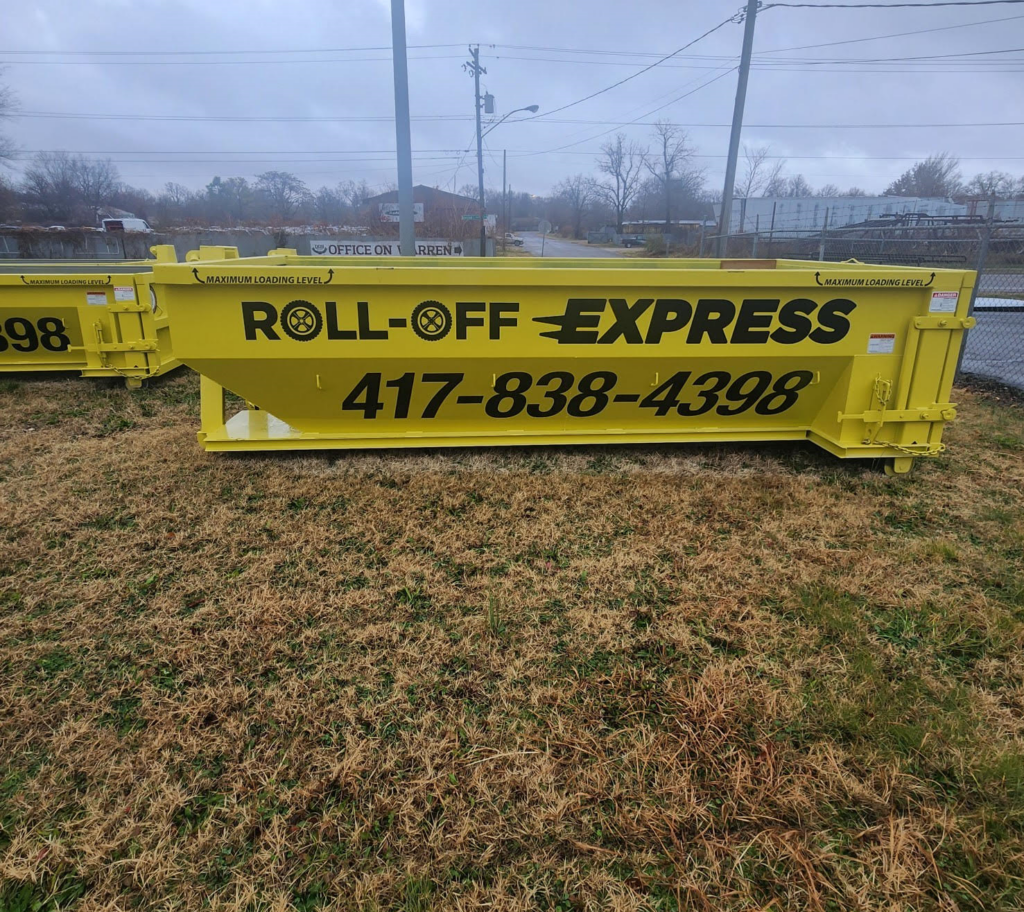
When tackling a home renovation, spring cleaning, or construction project, dumpster rentals are essential for keeping your property organized and safe. Roll-Off Express provides reliable and convenient dumpster rental services to make cleanup fast and stress-free. However, many people make mistakes during the rental process that delay their projects or increase costs. Understanding these common errors will help you choose the right dumpster, manage your debris efficiently, and complete your cleanup on time.

Mistake 1: Choosing the Wrong Dumpster Rental for Your Project

One of the biggest mistakes is selecting a dumpster rental that does not match the scope of your cleanup. Using a small roll-off dumpster for a major remodel or construction project may fill up too quickly, requiring multiple trips or additional rental fees. Conversely, renting a very large container for a small project may lead to unnecessary costs. Roll-Off Express offers roll-off dumpsters for any project, from minor attic cleanouts to large construction and demolition debris. Picking the right dumpster size from the start saves time and money.

Mistake 2: Underestimating Residential Dumpster Rental Needs

For residential projects such as garage cleanouts, attic decluttering, or roof replacements, homeowners often underestimate the amount of debris. A residential dumpster rental must accommodate all the waste to avoid overflow and extra fees. Roll-Off Express provides guidance to ensure the size of your project is appropriate. Overfilled dumpsters can delay junk removal and cleanup, so planning carefully prevents these setbacks.

Mistake 3: Not Understanding Roll Off Dumpster Sizes

Choosing the wrong roll-off dumpster size is a frequent cause of delays. Roll-off dumpsters come in multiple sizes, typically ranging from 10 to 40 cubic yards. A small container is ideal for minor junk removal or yard waste, while a larger container is necessary for roofing projects, remodels, or large construction debris. Knowing your waste volume ensures you rent the right dumpster size to avoid interruptions.

Mistake 4: Ignoring Permit and Placement Requirements

Many renters overlook local regulations when placing a dumpster. Some municipalities require a permit to place a dumpster on the street, driveway, or curb. Failure to follow these rules can lead to fines or removal delays. Roll-Off Express helps make the process easier by providing guidance on waste management rules and ensuring your roll-off container is positioned correctly for efficient pickup and delivery.

Mistake 5: Not Planning for Junk Removal and Debris Types

Another common mistake is failing to plan for the type of debris being removed. Items such as appliances, roofing shingles, or attic debris may require special handling. Mixing hazardous or recyclable materials with general trash can cause delays in disposal. Roll-Off Express ensures you can haul all debris safely and efficiently, using the appropriate dumpster for your project and helping you dispose responsibly.

Mistake 6: Misjudging Rental Period and Pickup

Delays often occur when renters underestimate how long they need the dumpster. A short dumpster rental period may require extensions, while an overly long rental can increase costs unnecessarily. Roll-Off Express offers flexible rental periods, clear dumpster rental prices, and reliable drop-off and pick-up options. Properly scheduling your rental ensures your cleanup remains on track without last-minute complications.

Mistake 7: Overlooking Recycling and Waste Management Options

Proper disposal of waste is essential to prevent delays and comply with local laws. Many renters do not separate recyclables or yard waste, which can slow down the cleanup process. Roll-Off Express provides waste and recycling services so homeowners and contractors can manage debris responsibly. Whether it’s roofing shingles, appliances, or construction and demolition debris, following proper disposal practices ensures a smooth project.

Mistake 8: Choosing the Wrong Size for Your Cleanup

Selecting the right dumpster size is critical for efficiency and cost management. Overestimating can lead to paying for extra unused space, while underestimating may require additional containers or rental time. Roll-Off Express helps customers select a residential dumpster rental or commercial container that fits the scope of the project. Ensuring you have the right dumpster size for your needs prevents delays and makes cleanup faster.

Mistake 9: Ignoring Residential Services and Convenience Options

Many homeowners don’t take full advantage of residential services offered by dumpster rental companies. Having a convenient dumpster delivered on-site with flexible pickup and delivery can save significant time and effort. Roll-Off Express provides reliable service for all residential customers, including DIY cleanups, roofing projects, and appliance disposal. Utilizing these services prevents delays and reduces stress during your project.

Mistake 10: Not Getting Started With a Plan

Waiting too long to get started or not having a clear plan is another mistake. Being looking for a dumpster without considering the right dumpster size or the type of debris you will dispose of can stall your cleanup. Roll-Off Express makes it simple to choose the proper container, schedule delivery, and arrange pickup, ensuring your project stays on schedule from start to finish.

Tips for Smooth Junk Removal and Cleanup

Planning is the key to avoiding delays. Begin by assessing the amount and type of debris, determining the right dumpster size, and considering whether a roll-off container or a smaller dumpster for your home project is appropriate. Separate recyclable items and hazardous materials before the rental period. With a well-planned approach, you can complete your cleanup efficiently and avoid unnecessary costs.

Why Roll-Off Express is the Best Choice

Roll-Off Express provides a complete dumpster rental service for both residential and commercial projects. Our roll-off dumpsters for any project are available in multiple sizes, and our local experts guide you through waste management regulations, pickup, and delivery. Whether your project involves spring cleaning, a roof replacement, or a large construction and demolition job, Roll-Off Express ensures you have the right dumpster for your needs.

Plan Ahead for Efficient Cleanup

Avoid delays in dumpster rentals by planning carefully. Roll-Off Express offers residential dumpster rental, a variety of roll-off containers, and expert advice to help you select the right dumpster size. From junk removal and remodels to large construction projects, we provide reliable, convenient, and hassle-free dumpster rental service. Get started with Roll-Off Express today and complete your cleanup quickly and efficiently.


Roll-Off Express
Springfield, Missouri 65802
https://roll-offexpressllc.com/
 

Delta Force Loadout & Timing Guide (plus a cheap, safe way to refuel between matches)

Winning streaks in Delta Force look less like highlight reels and more like rhythm: clear roles, smart rotations, and utilities deployed on time. This guide focuses on the practical pieces that shorten fights and reduce lobby downtime—with a low-friction way to top up when a small gear upgrade actually helps the plan.

1) Lock roles before you land

Entry (Vanguard): slices corners, takes first contact, and calls the pace. A controllable rifle, quick optic, and compensator beat “hero builds” you can’t hold steady.

Anchor (Overwatch): owns rooftops, spines, and long roads. Think stable DMR, mid-range clarity, rangefinder. Job: information and punishment.

Support (Utility): plates, ammo, smokes, drones, vehicle timing. This role turns a 30-second shove into a three-minute push that survives counterpunches.

When a specific blueprint genuinely improves one of these jobs—steadier first bursts for Entry, clearer thermals for Anchor, or longer UAV time for Support—grab it quickly and get back to comms. Keep refills boring (in the best way) via cheap Delta Force credits so the squad doesn’t desync in lobby.

2) Movement > mechanics (most nights)

Slice, don’t slide. Shoulder the first inch of an angle, bait a shot, then commit with a trade partner. Sliding into layered sightlines feeds crossfires.

Plate while rotating. Replate during short, covered moves; standing still invites free damage.

Vehicles win space, not rooms. Use them to beat gas or patrol lines; dismount early and clear the last 40 meters on foot.

Utility cadence: Recon → Smokes → Breach. Reversing the order burns tools for one doorway.

If a small purchase completes the timing—extra plates for a two-wave breach or an aerial ping before a convoy break—handle it in a minute through secure Delta Force top up and return before the window closes.

3) Map levers that flip rounds

High spines & long roads dictate rotations—post Anchor there with a DMR and a spotter drone.

Noise discipline is free advantage: walk the last 20 meters; doors and ladders broadcast positions.

Circle math saves endgames: gatekeep only if the next zone won’t pinch you. Otherwise rotate early and build the crossfire that forces mistakes.

4) Pre-match checklist (the version teammates actually follow)

Roles locked; tools assigned (breach, smokes, UAVs, plates, vehicle).

Primary route, backup rotate, and a break-contact plan.

Recon at T-10s, smokes at T-5s, breach on call.

Plate/ammo parity check—no one hits empty first.

Once breach starts: one caller, concise comms.

Need a final piece—stabilizer, thermal, extra UAV charge—before go time? Use reliable Delta Force recharge and keep the lobby timer intact.

5) Troubleshooting the stalls every squad hits

“Clean entry, then stall.” Support is trailing. Push utility forward ~10 meters and pre-assign smoke lanes so Entry can plate after the first trade.

“Vehicles keep dying in crossfire.” Dismount earlier and clear on foot behind a three-count smoke. Vehicles gain position; they don’t clear rooms.

“Snipers lock our rotate.” Split pressure: Anchor baits from the spine while Entry + Support take the blind approach. Two fronts break tunnel vision.

6) Spend like logistics, not hype

Treat currency as supply. Buy early in a session or at the start of an event so ordinary playtime compounds rewards; avoid last-minute detours that freeze team rhythm. A predictable route such as budget-friendly Delta Force coins keeps totals transparent, checkout encrypted, and confirmations quick—often in minutes.

Why this lane stays sane

Clear, final pricing (no last-click surprises).

Fast processing that preserves queue tempo.

Human support with plain-language steps if verification appears.

Security by default through trusted gateways; details exist only to deliver the order.

FAQ (quick answers players actually want)

Q: Is “cheap” code for risky?
A: It shouldn’t be. Look for transparent totals and encrypted checkout. If fees appear at the last step, that’s noise—not savings.

Q: What’s the best first upgrade?
A: Whatever fixes your role’s pain: Entry recoil control, Anchor sight clarity, or Support’s UAV/plate uptime.

Q: How many vehicles should we run?
A: One for space, then boots. Dismount before the final approach and fight the last meters on foot.

Q: When should we top up?
A: Before the block starts or right after a win streak—never mid-tilt. Use discount Delta Force refill between queues and stick to your plan.

Bottom line: In Delta Force, the calm teams win. Roles first, timing second, purchases that serve the plan—and a refuel path that’s cheap, safe, and reliable so the only countdown anyone watches is the mission clock, not a spinning payment wheel.